

Fibrefine Textiles
Panoramic view across wooded valleys to the Pennine hills around Huddersfield, with a hilltop tower on the left
Huddersfield · Yorkshire · Est. 1980

The art of exceptional English cloth

Our story

Established in Huddersfield, Yorkshire, in 1980, Fibrefine Textiles was founded on a simple principle: to combine the skills and traditions of British clothmaking with a fresh approach to the creation of exceptional fabrics.

Drawing on the rich textile heritage of Yorkshire, Fibrefine developed a reputation for producing rare and exclusive cloths, working in collaboration with some of the world’s most distinguished cloth merchants and luxury brands. Over the years, the company has built a select and loyal customer base, united by an appreciation of quality, craftsmanship and fabrics with a distinctive character.

From fine English tailoring cloths to extraordinary creations incorporating precious metal threads such as gold and platinum, and some of the world’s rarest natural fibres, including vicuña, Fibrefine has always sought to explore the possibilities of fine clothmaking. Sometimes understated, sometimes pushing the boundaries of luxury, each fabric reflects a commitment to exceptional materials and the expertise required to bring them to life.
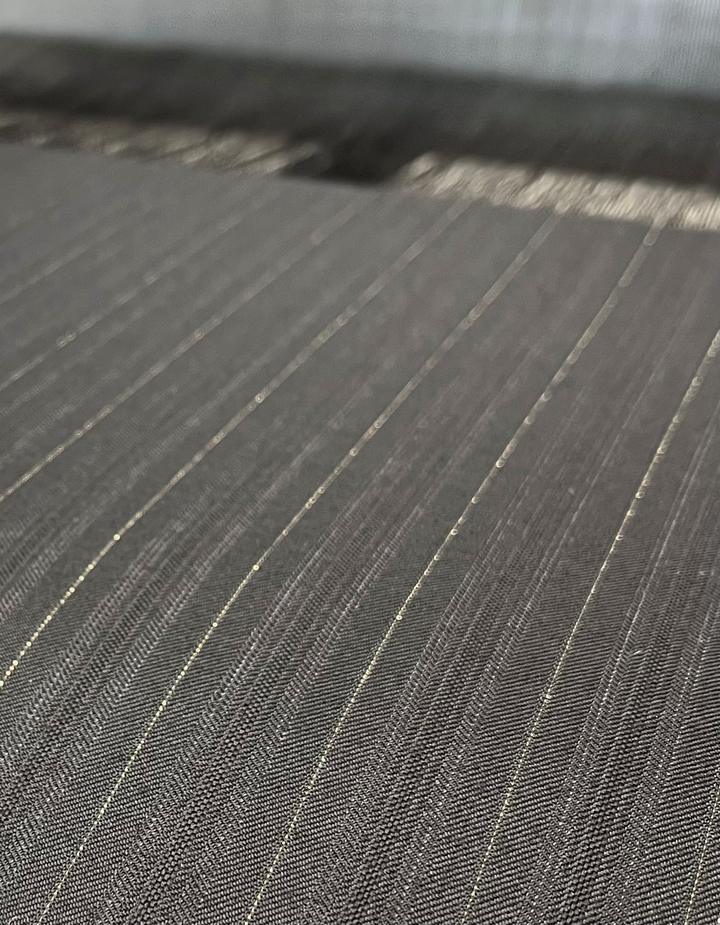
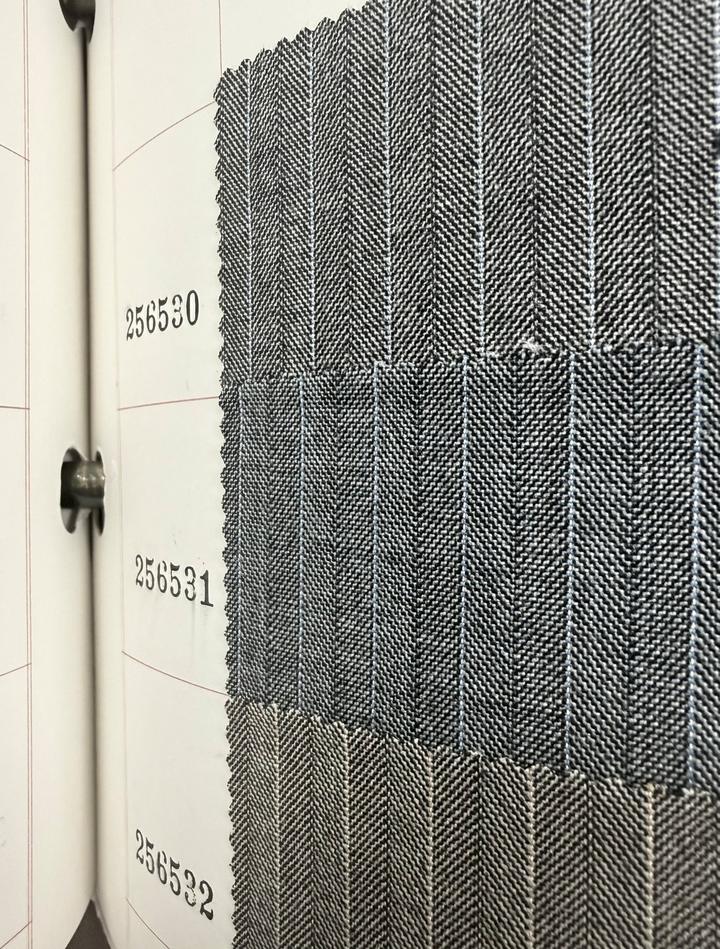
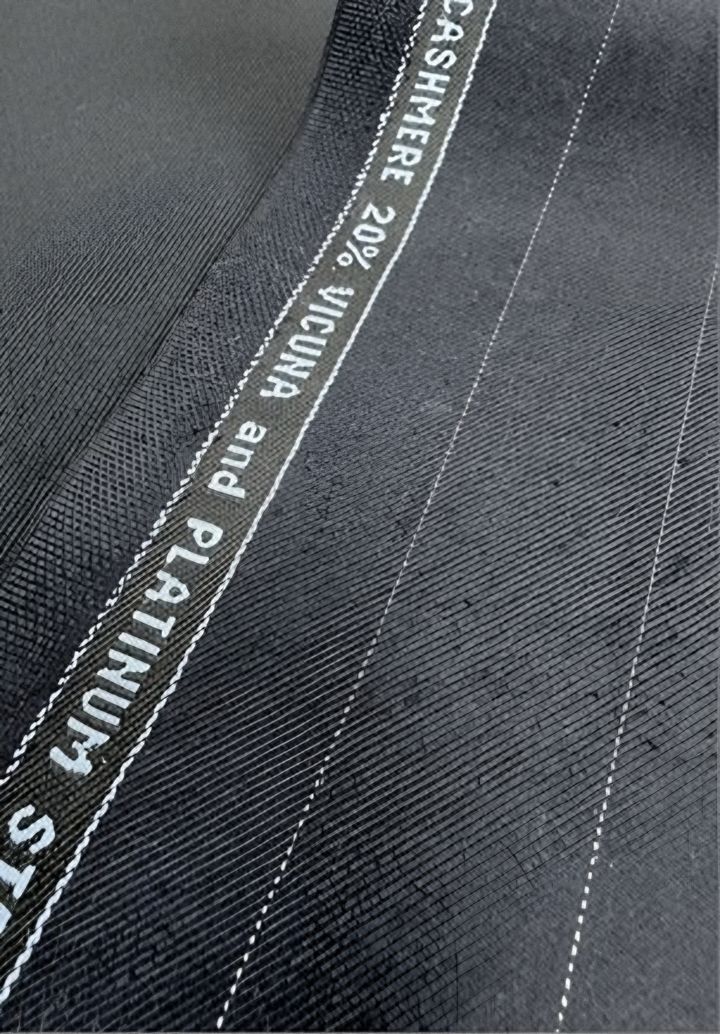
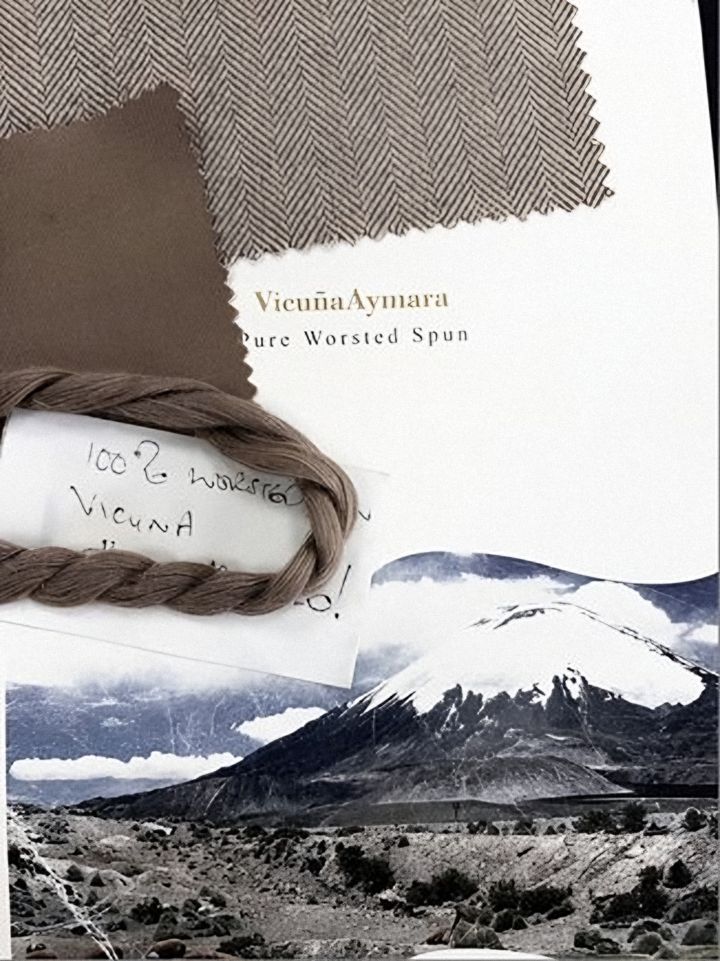
Dark cloth woven with fine stripes of real gold thread Numbered herringbone stripe patterns in a Fibrefine archive book from the 1980s Pinstripe cloth with a selvedge reading cashmere, 20% vicuña and platinum Vicuña cloth swatches and a twist of vicuña yarn from the Fibrefine archive

Today, Fibrefine remains true to the principles on which the business was established. Its identity is rooted in Yorkshire, where generations of textile knowledge, specialist skills and an intimate understanding of wool have created an environment uniquely suited to the production of exceptional cloth.
Wellington

The art of English tailoring

Wellington is Fibrefine’s classic English tailoring quality, inspired by the traditions of the distinguished wool merchants and bespoke tailoring houses associated with Savile Row.

Fibrefine Textiles woven label in black and gold: crest, Fine Merino Wool, Wellington, Made in England
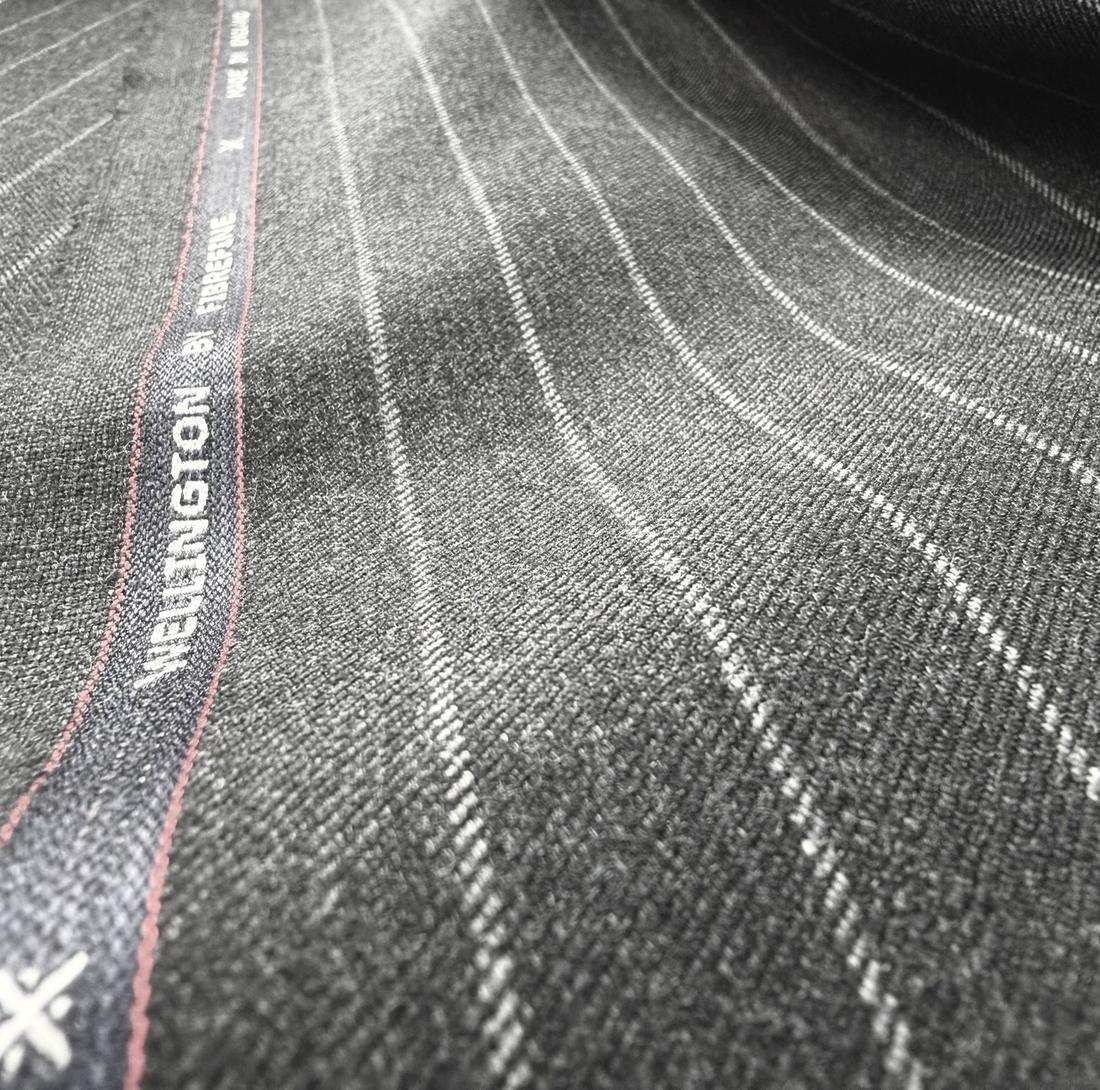
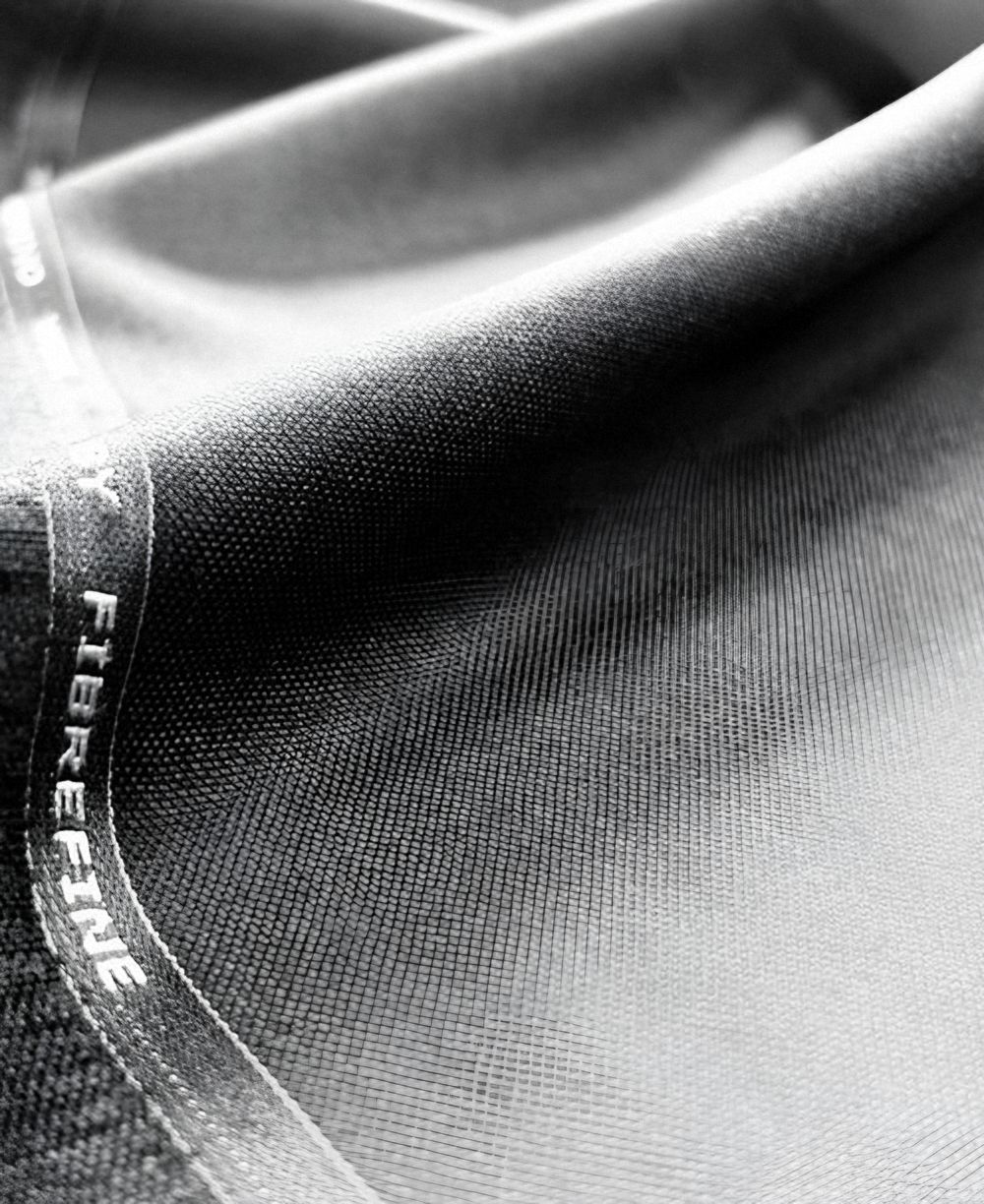
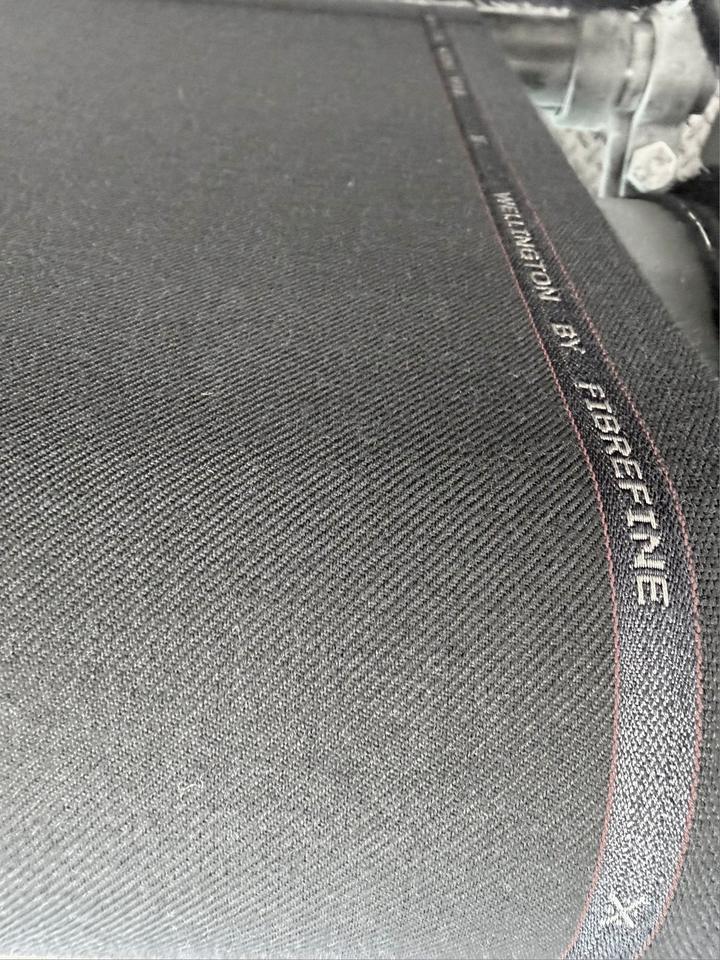
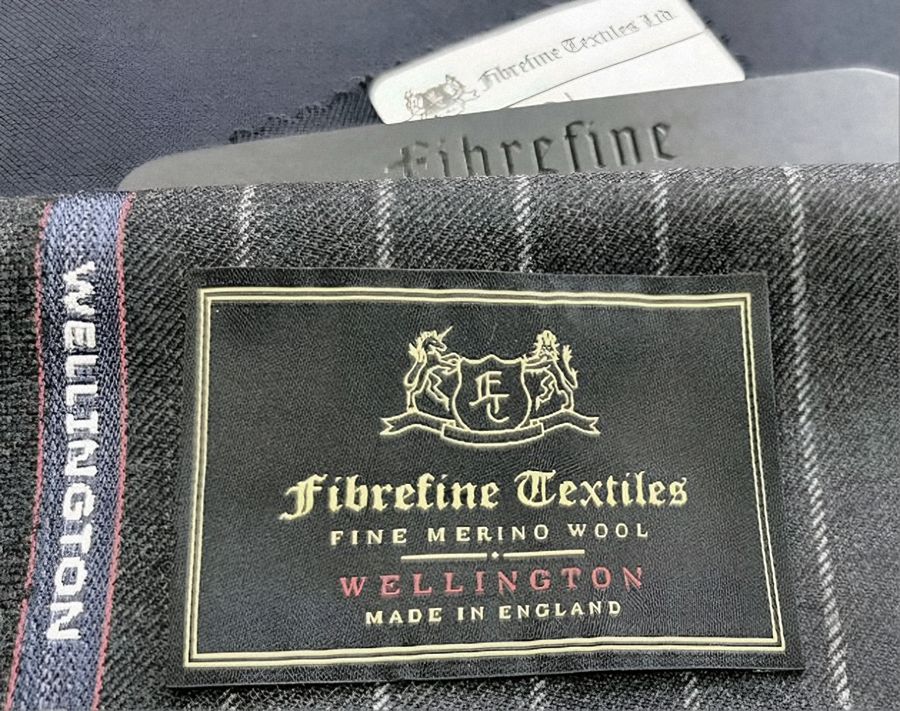
Grey pinstripe Wellington cloth with its black and gold Fibrefine Textiles label, beside the Wellington selvedge and a Fibrefine swatch card Grey pinstripe Wellington cloth in soft folds, its selvedge reading Wellington by Fibrefine between fine red edge lines

At its heart is a carefully constructed cloth, woven exclusively from two-ply yarns in both warp and weft. The high-density twill weave gives the fabric its characteristic body, structure and clean appearance, providing the tailor with a cloth that can be shaped and pressed to create a beautifully balanced garment.

The quality of the finished fabric begins with the selection of excellent raw materials and carefully chosen yarns. Precision weaving establishes the character of the cloth, while skilled hand mending and specialist finishing refine its appearance and handle.

The result is a cloth that combines structure with softness, and durability with comfort. It offers the tailor the qualities needed to shape a garment with precision, while providing the wearer with a fabric designed to retain its appearance and performance through years of use and enjoyment.

Wellington embodies the principles at the heart of Fibrefine: exceptional materials, considered construction, skilled craftsmanship and an uncompromising approach to finishing.

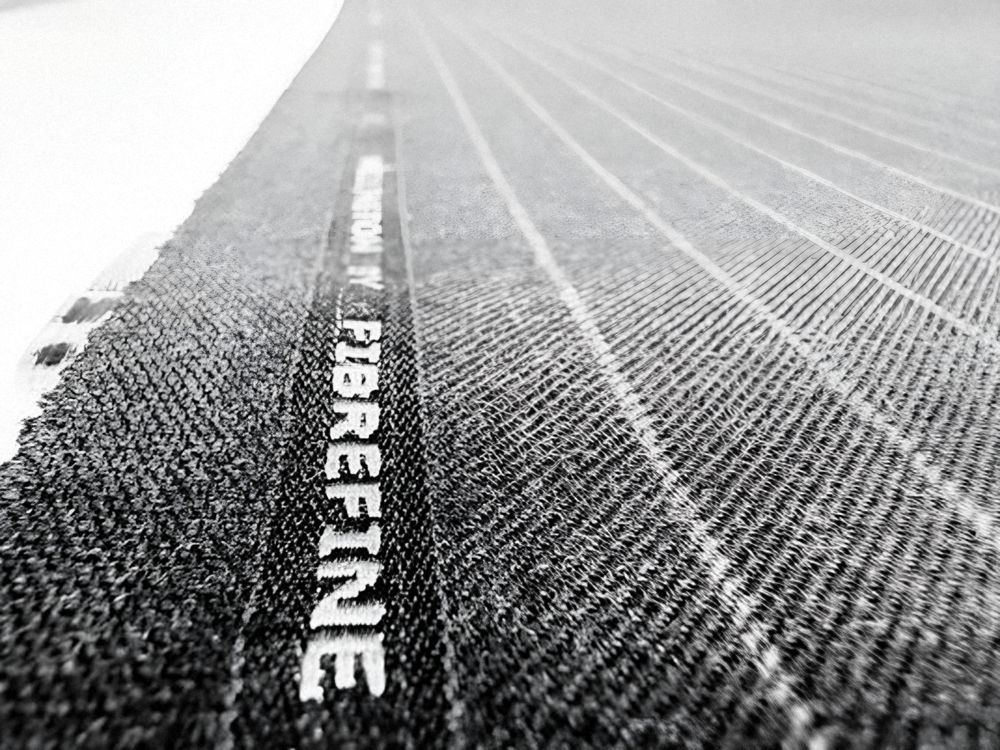
Close-up of grey pinstripe Wellington twill with the Fibrefine name woven into the selvedge Wellington cloth draped in soft folds, showing the twill and the woven Wellington by Fibrefine selvedge

The making of exceptional cloth

A fine fabric is the result of many carefully controlled processes. At Fibrefine, each stage contributes to the character, quality and performance of the finished cloth.

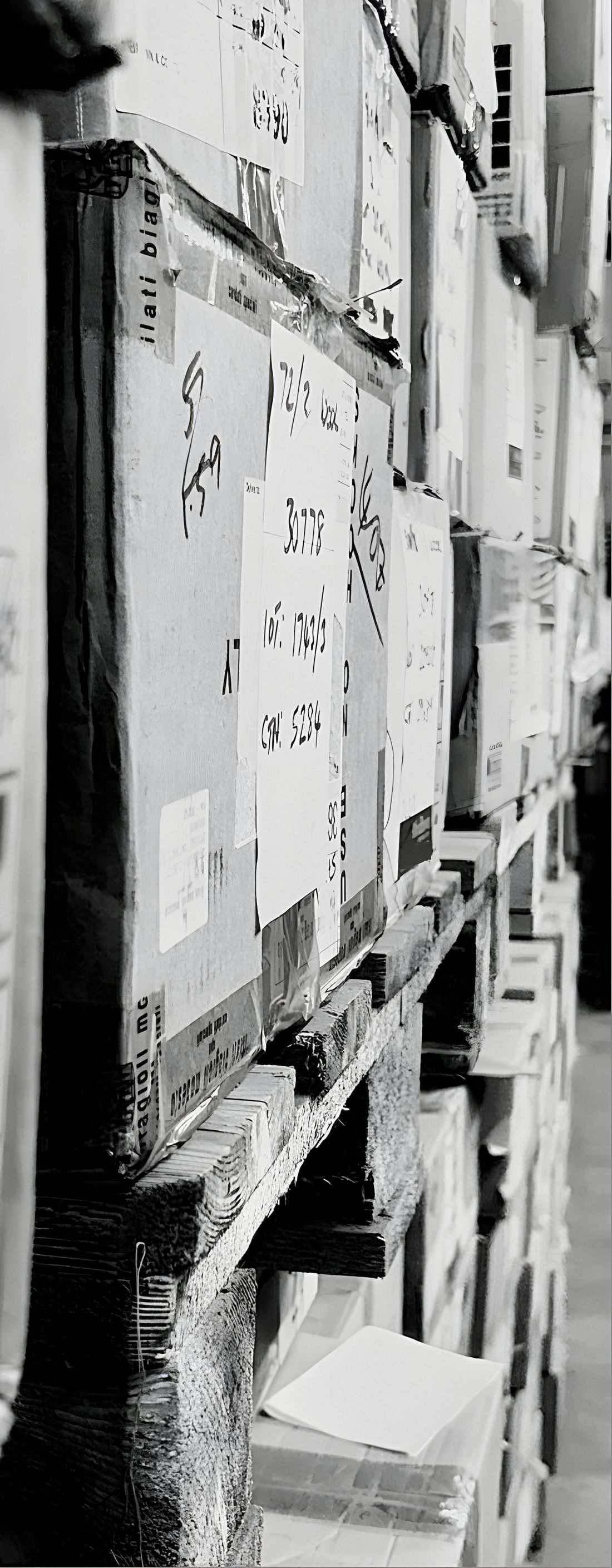
Boxes of yarn on the shelves of the yarn store
I

Warping

Every woven fabric begins with its yarns. During warping, the individual threads are arranged in precise order to create the warp, which forms the length of the cloth. A single suit length of Wellington contains nearly 30 kilometres of yarn in total, illustrating the remarkable amount of material that goes into even a relatively small piece of fabric.

Accuracy at this first stage is essential to achieving the consistency and regularity required throughout the manufacturing process.

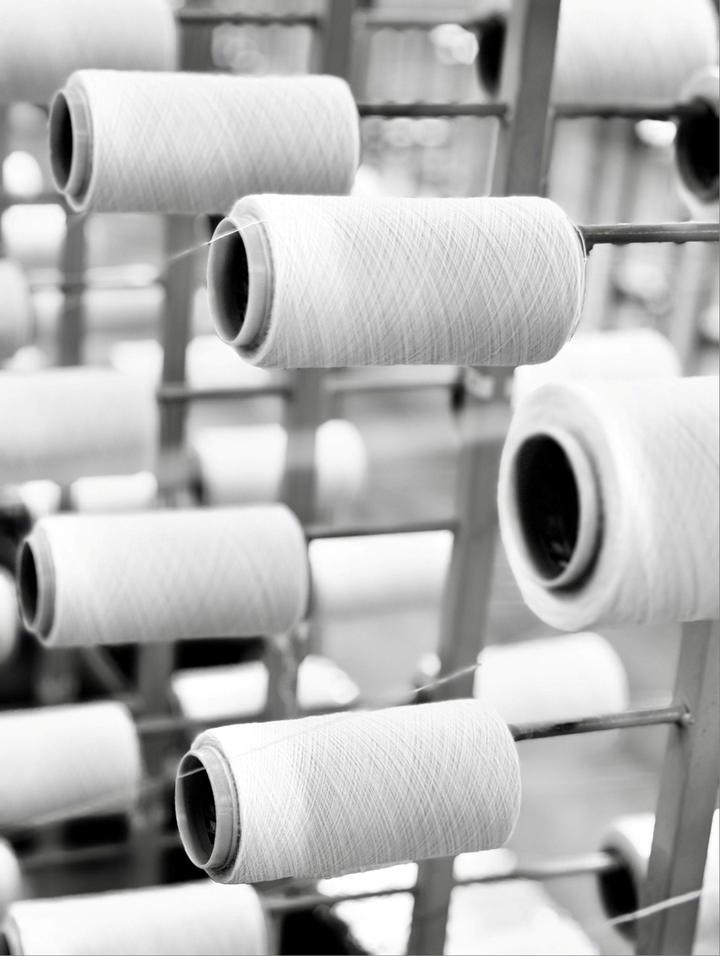
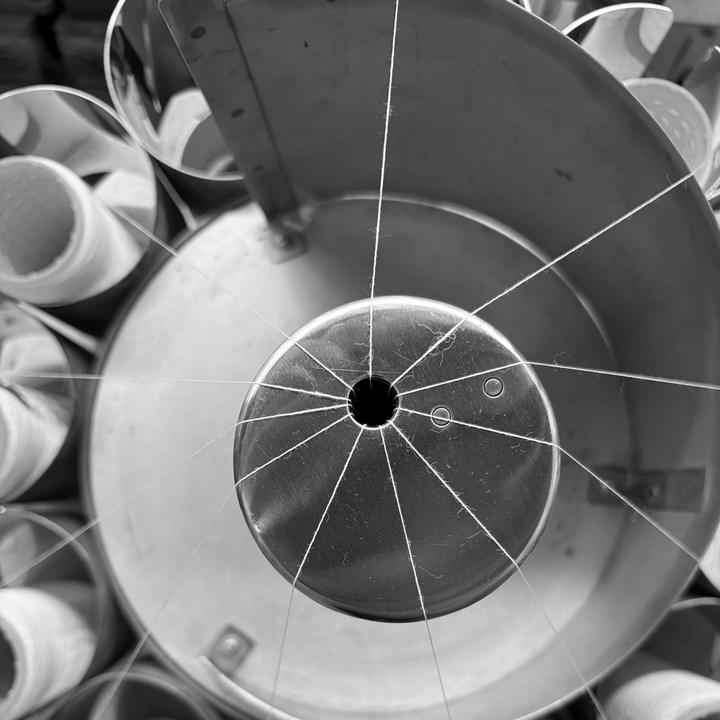
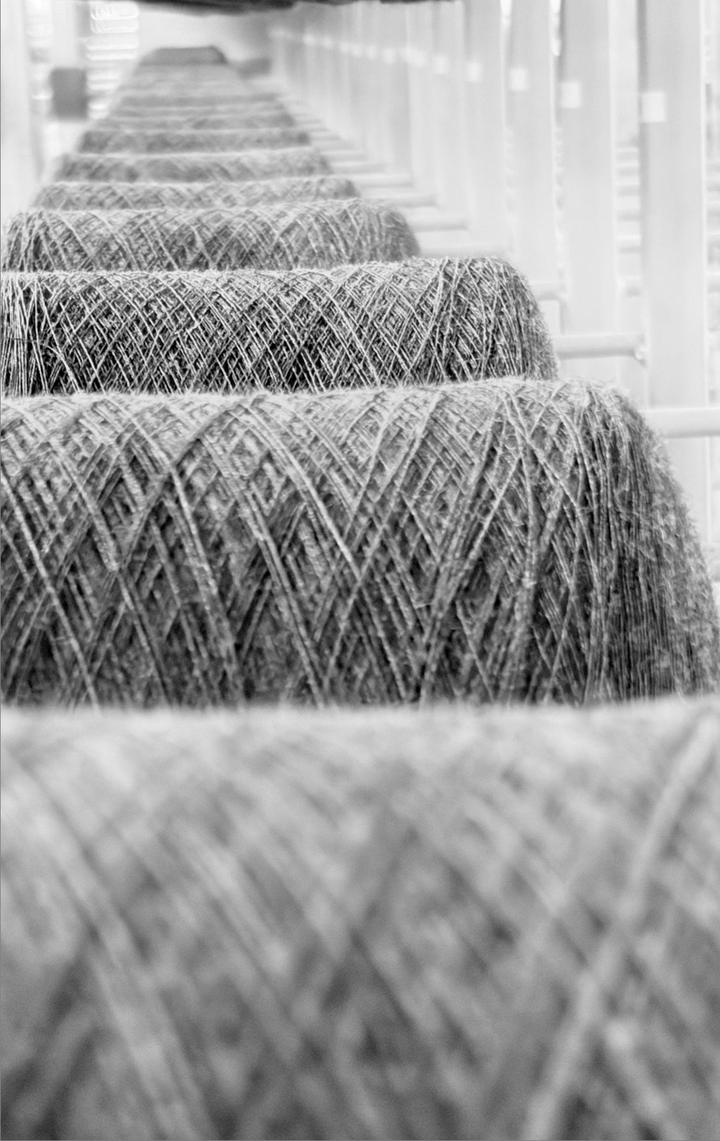
Cones of yarn on the creel, ready for warping Individual threads drawn together through a guide during warping A row of yarn packages, seen in close-up
II

Weaving

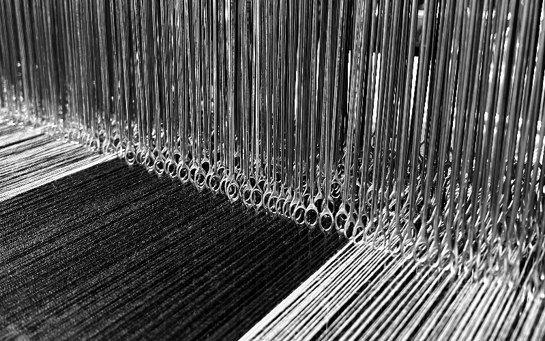
Once the warp threads have been drawn through the healds and the loom has been prepared, weaving can begin. The weft yarn is inserted across the warp, building the structure of the fabric one pick at a time.

Although modern looms provide speed and precision, the quality of the result still depends on careful preparation, accurate settings and the knowledge to recognise and maintain the characteristics required of each individual quality.

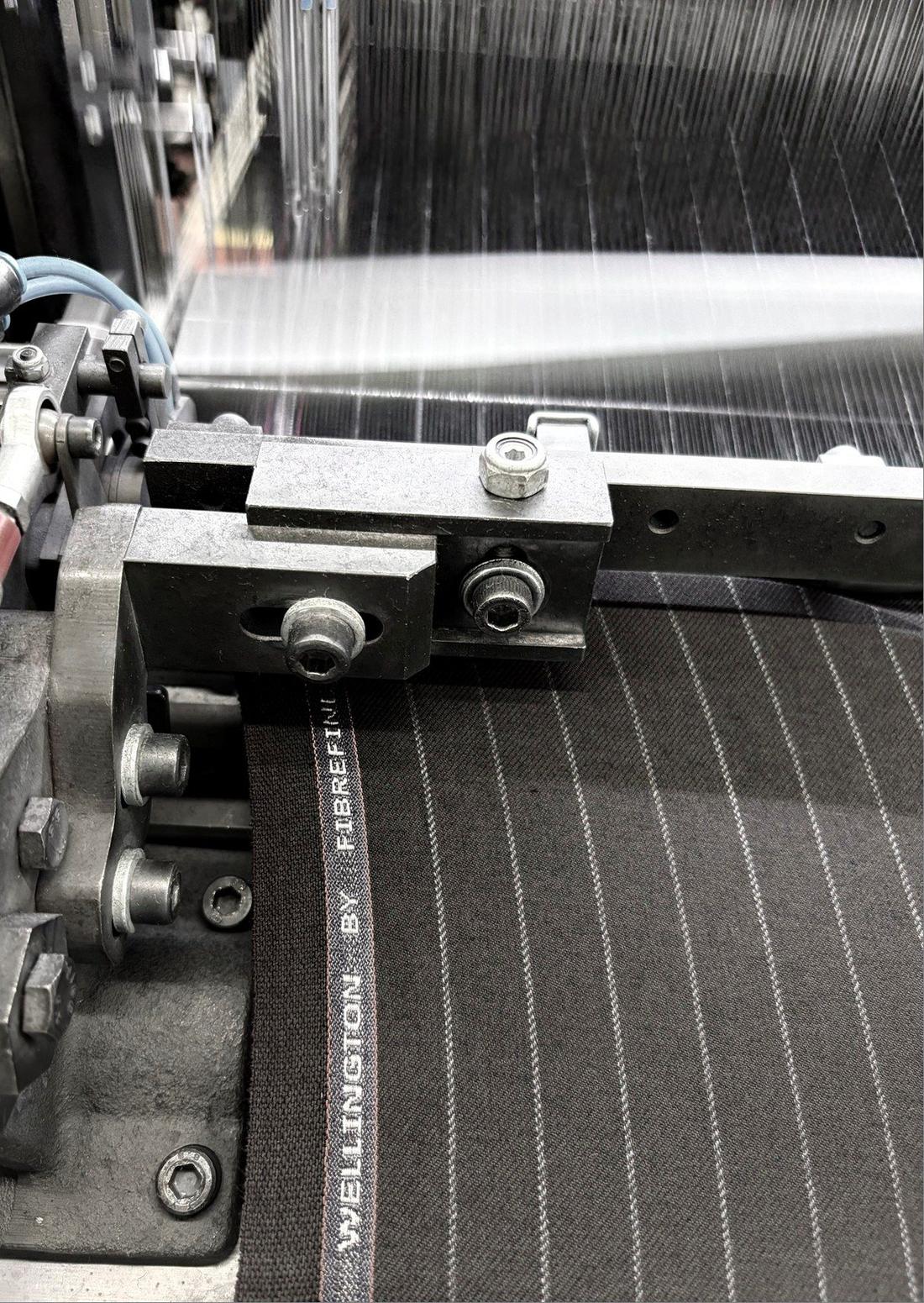
Wellington pinstripe cloth on the loom, with the warp threads behind and the Wellington by Fibrefine selvedge in the foreground
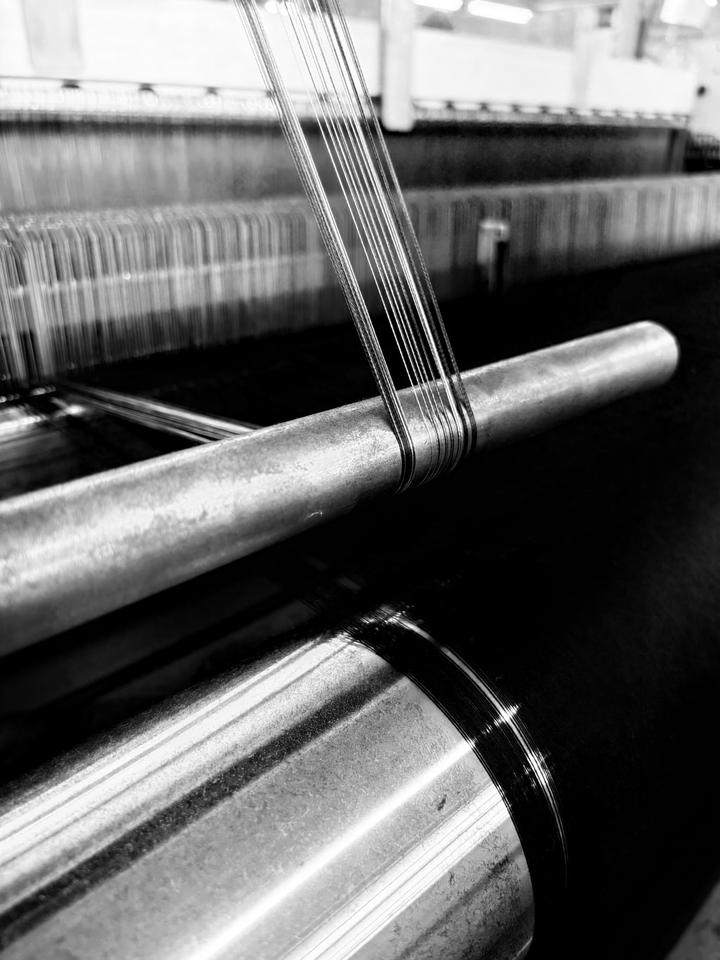
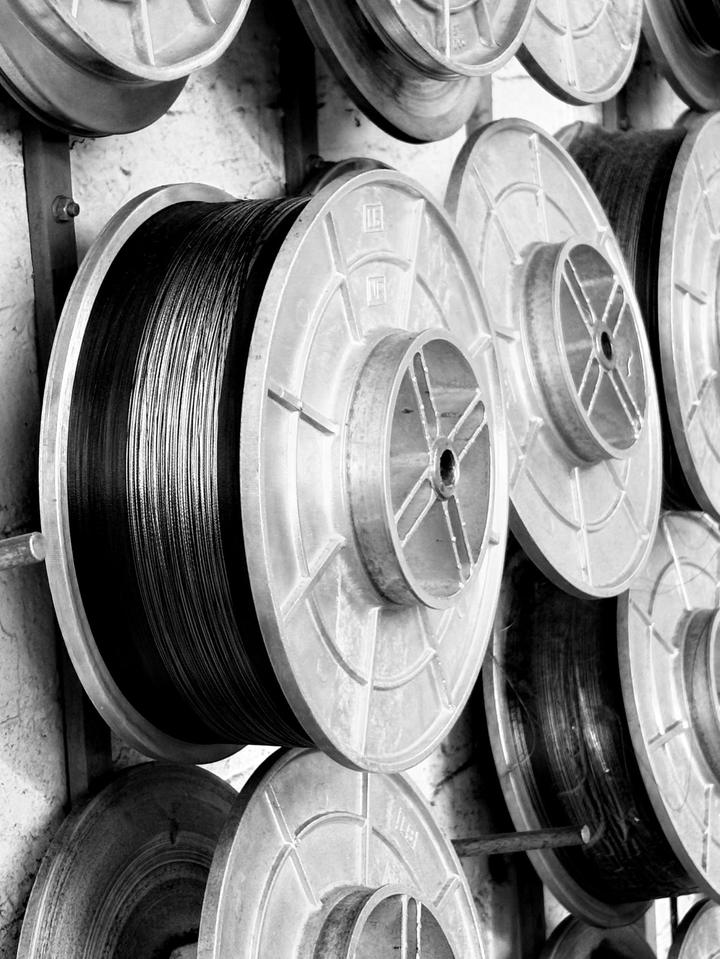
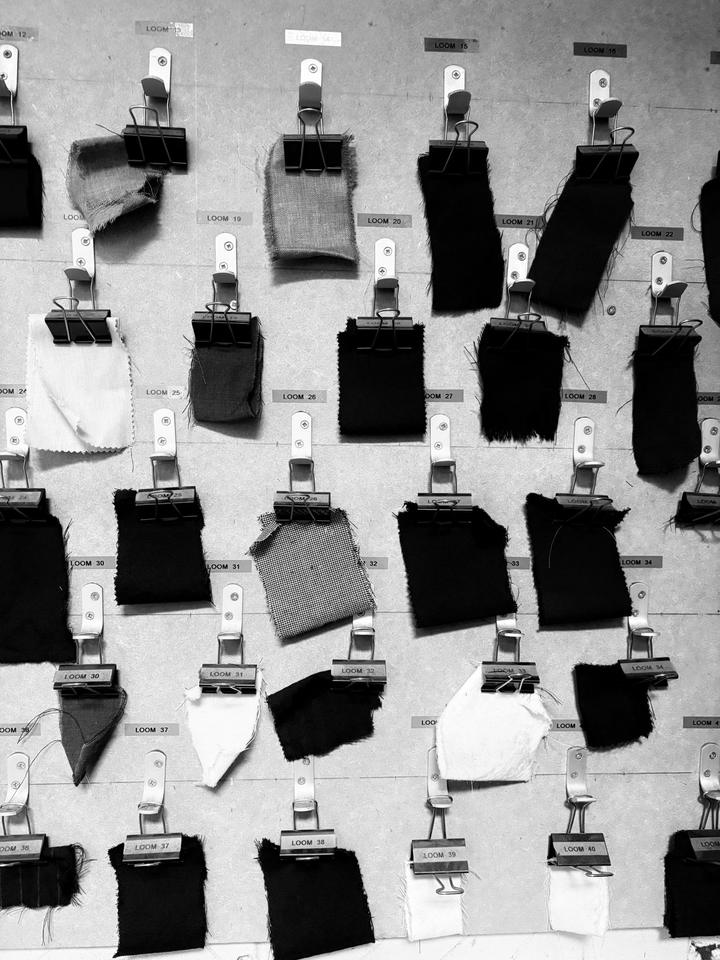
Warp threads running over the loom, with the healds behind Spools of dark yarn on a rack beside the looms Close-up of Wellington twill with the Wellington by Fibrefine name woven into the selvedge A board of cloth samples, one for each numbered loom
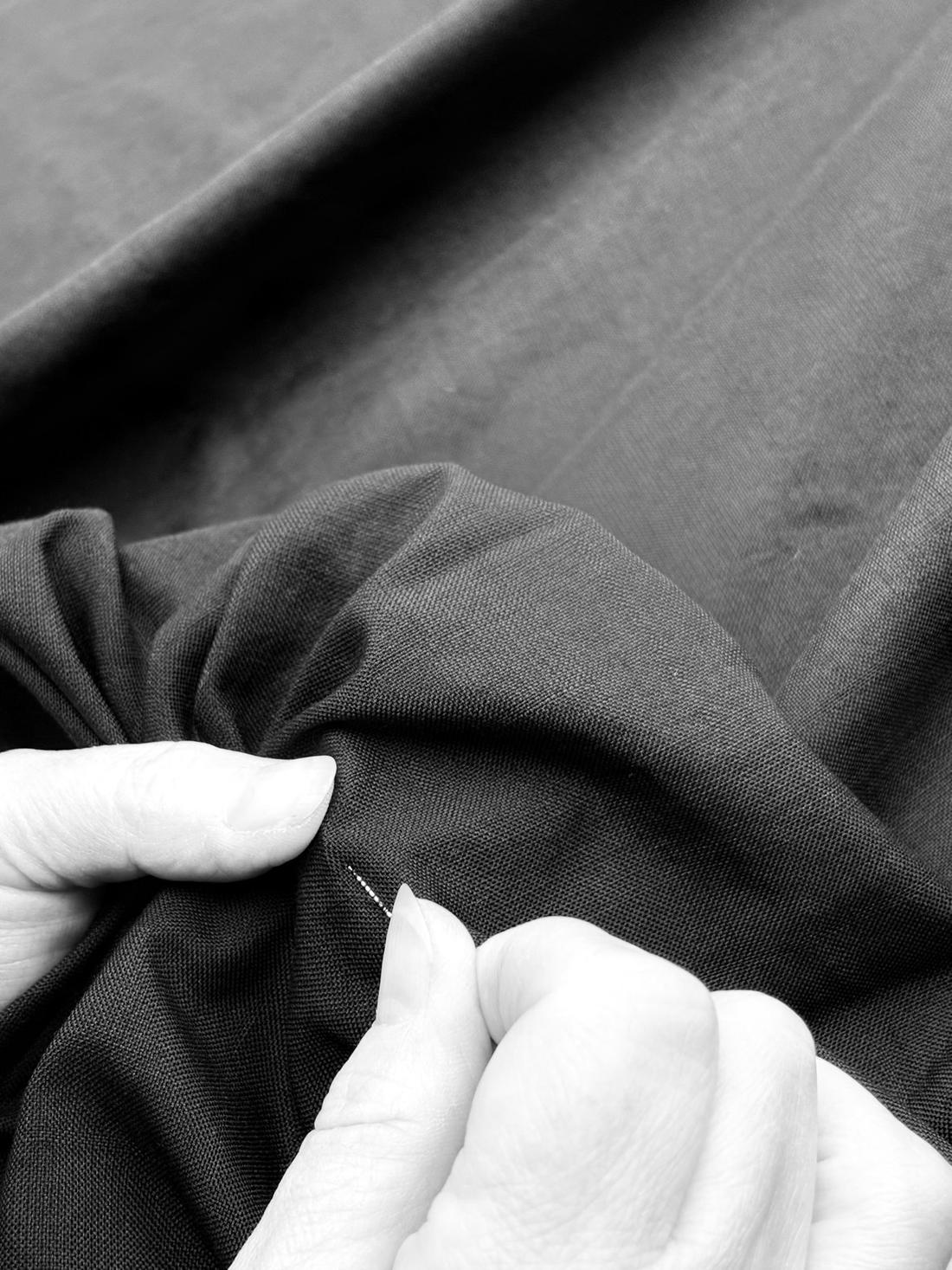
A mender’s hands working a fault out of the cloth
III

Mending

The cloth is then examined by skilled operatives, who inspect its surface and correct minor imperfections wherever possible. Every section is scrutinised by hand and eye, with faults such as knots or small irregularities carefully addressed.

This is detailed, time-consuming work that demands experience, concentration and a trained eye. It is an essential part of the process, helping to ensure that the cloth meets the high standards expected of Fibrefine.

IV

Finishing: the Yorkshire difference

Finishing is where the woven cloth is transformed, refining its handle, appearance and performance.

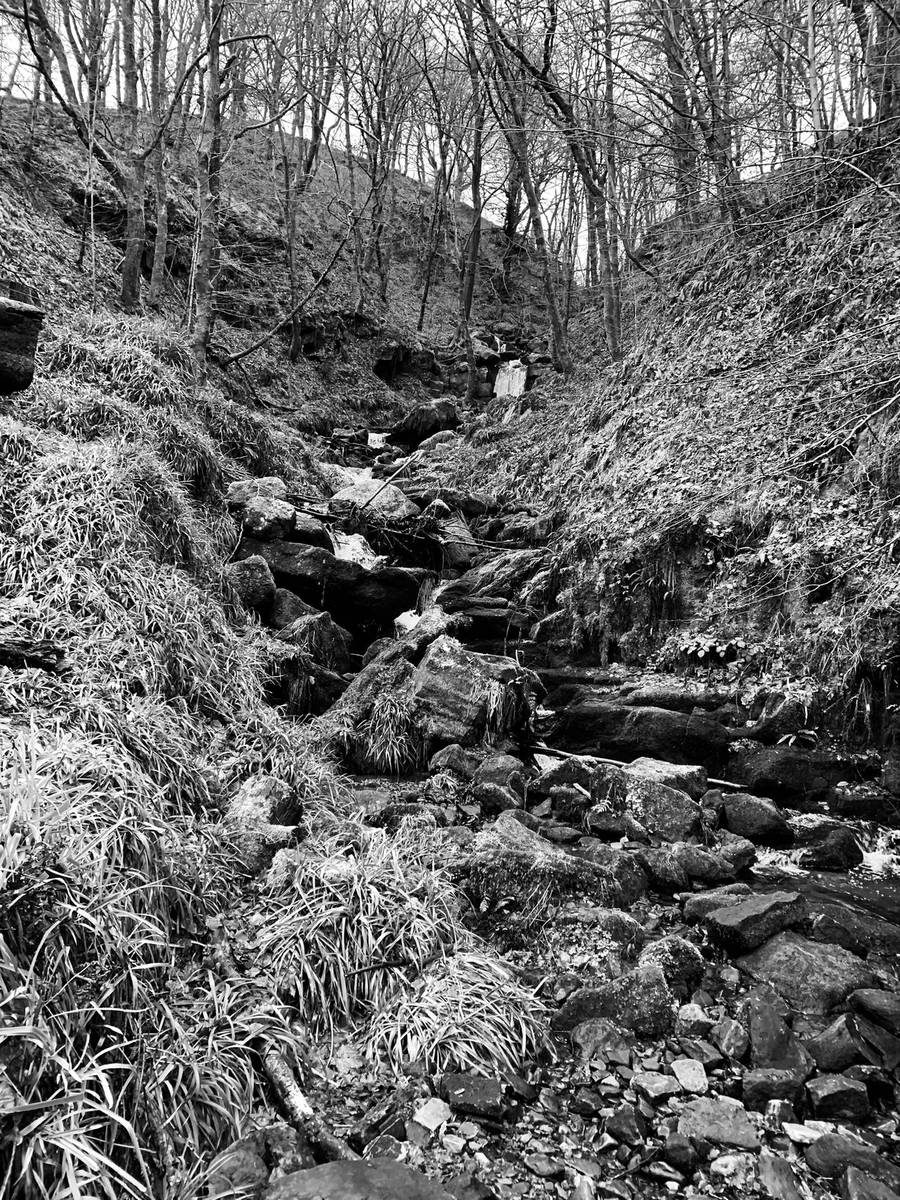
Huddersfield’s textile heritage is closely connected to the landscape that surrounds it. For generations, the naturally soft water of the Pennine hills has helped support the area’s textile industry, providing valuable qualities for the washing and finishing of wool cloth.

A stream running down a wooded clough over gritstone boulders A waterfall falling into a clear pool among bare winter trees

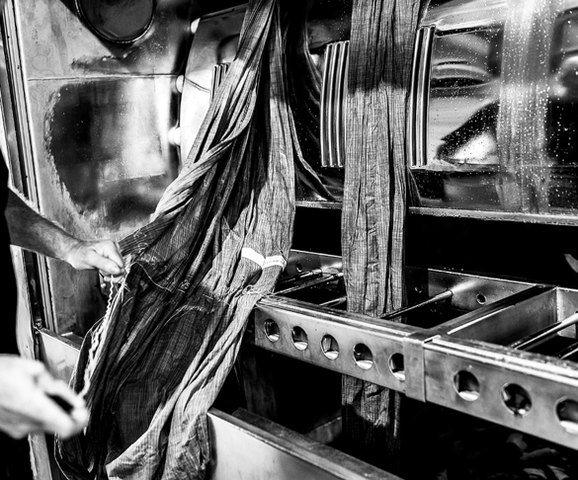
At Fibrefine, this natural local resource remains an important part of the story. The fabric is washed using the area’s naturally soft water and traditional methods, before being carefully dried, steamed and pressed to develop its desired softness, natural lustre and distinctive character.

The cloth is also carefully cropped, trimming the surface fibres to a controlled level to achieve the required appearance and handle.

These processes demand more than machinery alone. They rely on practical knowledge, experience and an understanding of how different yarns and fabric constructions respond to treatment. It is this combination of material, method and skill that makes the finishing stage so important to the identity of Fibrefine cloth.
V

Final inspection

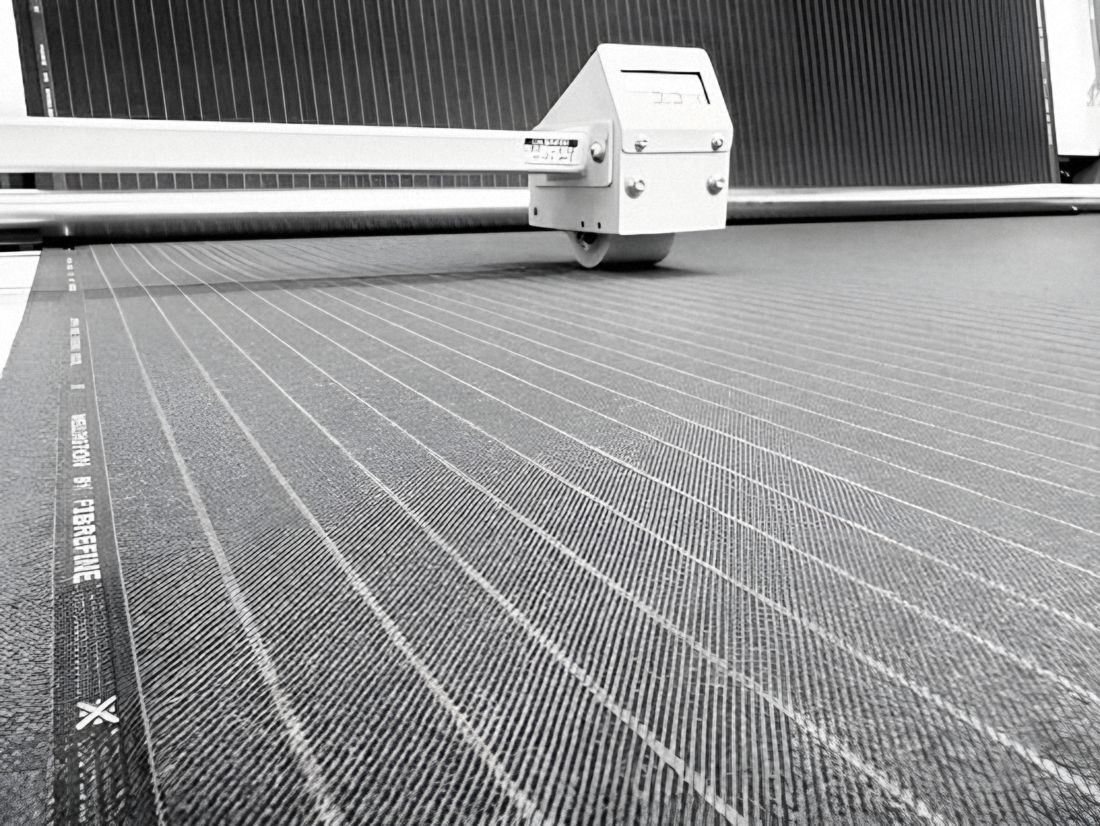
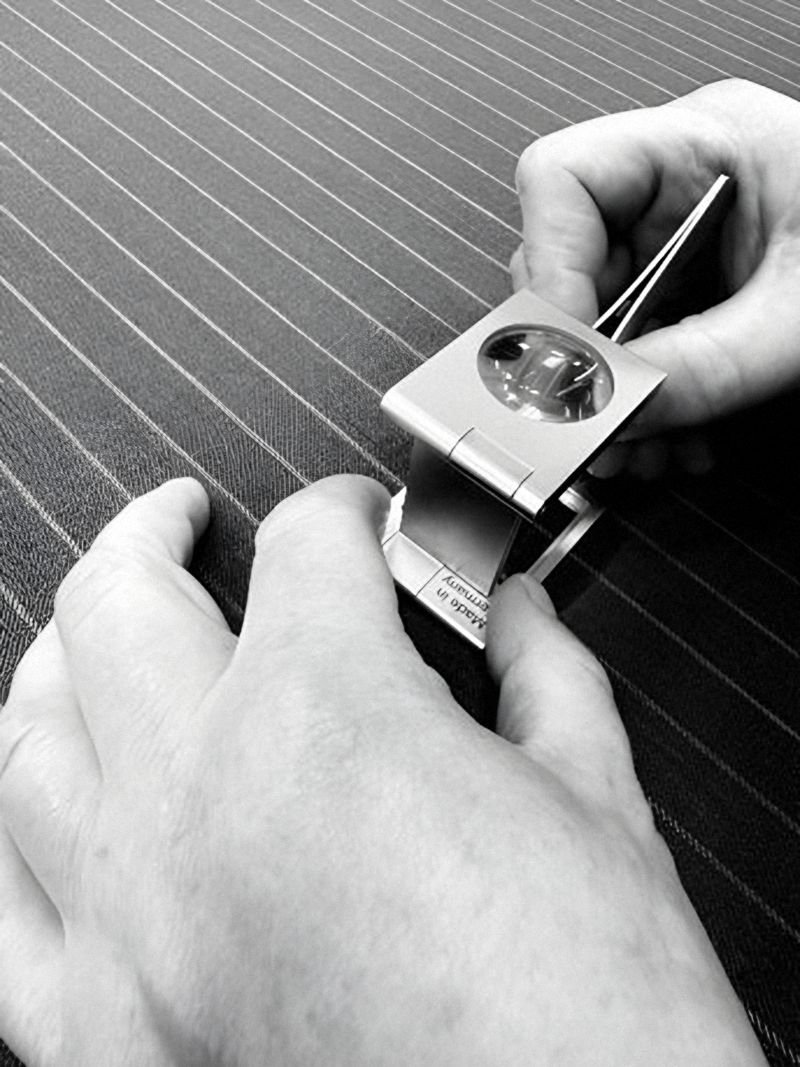
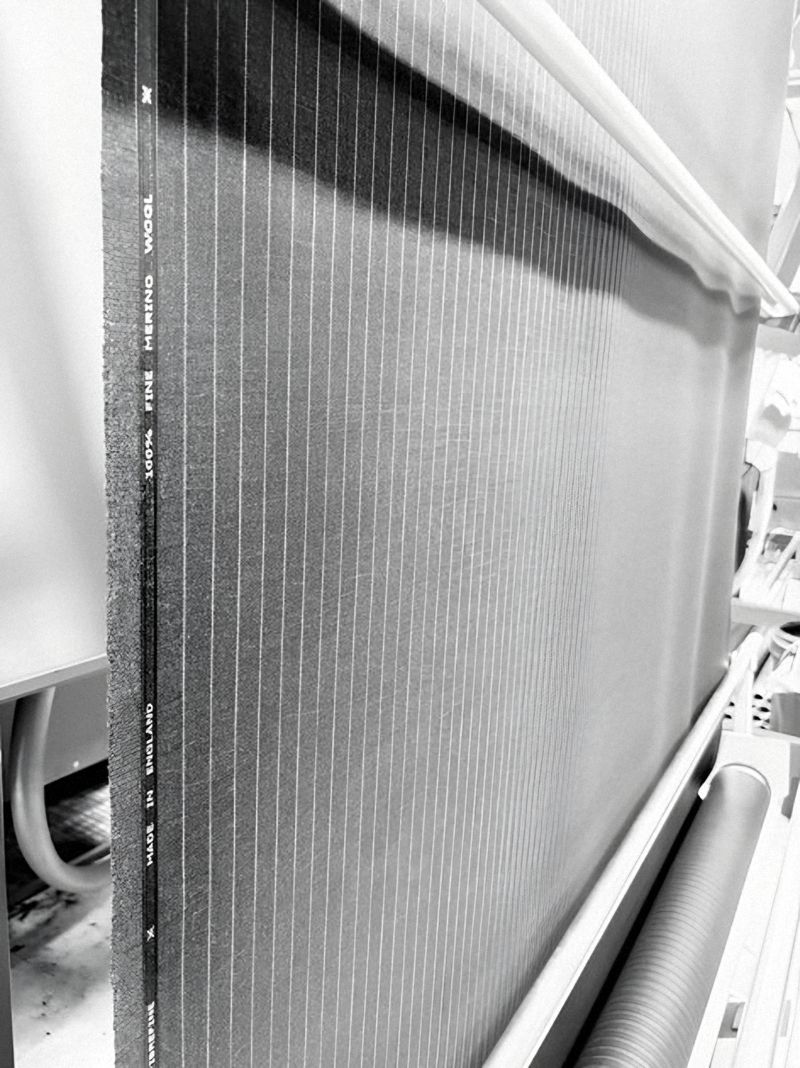
Quality control continues throughout production, but every piece undergoes a final inspection before dispatch. This last examination confirms that the fabric meets the required standards and is ready for the next stage of its journey: becoming a finely tailored garment.

From the selection of the yarn to the final inspection, every stage contributes to the quality of the cloth. The finished fabric is the product of a process in which precision, experience and attention to detail matter at every step.
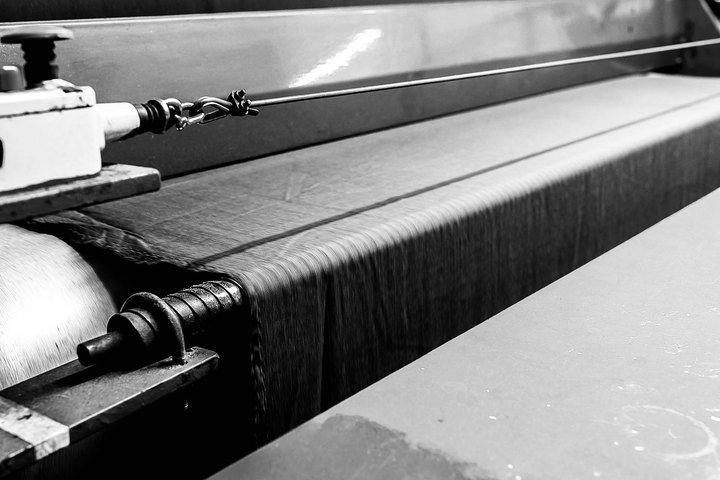
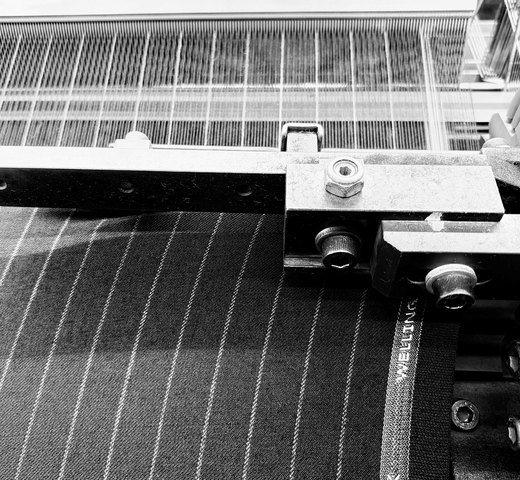
Wellington pinstripe cloth passing under the inspection measuring head, with the Wellington by Fibrefine selvedge in the foreground An inspector's hands checking the pinstripe cloth through a folding magnifier Finished pinstripe cloth hanging over the inspection frame, its selvedge reading 100% Fine Merino Wool, Made in England

Natural fibres. Lasting quality.

At Fibrefine, the quality of a fabric begins with the quality of its raw materials. The focus is on fine natural fibres, carefully selected for their character, performance and suitability for the intended cloth.

Wool has a long history as a versatile and durable textile fibre. When properly cared for, a well-made wool garment can provide many years of use, offering an alternative to the short life cycles associated with fast fashion.

Fibrefine’s approach places lasting quality at the centre of the product. By creating fabrics intended to be worn and appreciated over time, the emphasis is on longevity rather than disposability.

Responsible sourcing is also important. Fibrefine sources non-mulesed wool, reflecting a commitment to animal welfare, and selects natural fibres from responsible sources.

The finishing process follows the same philosophy of care and precision. Water, soap and steam are used as part of the traditional finishing approach, with the aim of bringing out the natural qualities of the cloth while avoiding unnecessary chemical treatments.

Natural fibres such as wool also offer opportunities for reuse and recycling and, under suitable conditions, biodegradation at the end of their useful life. These characteristics form part of their appeal, alongside their inherent beauty, versatility and performance.

For Fibrefine, responsible clothmaking is about bringing together the finest suitable materials, skilled manufacturing and a commitment to making fabrics that are valued, worn and enjoyed for years to come.

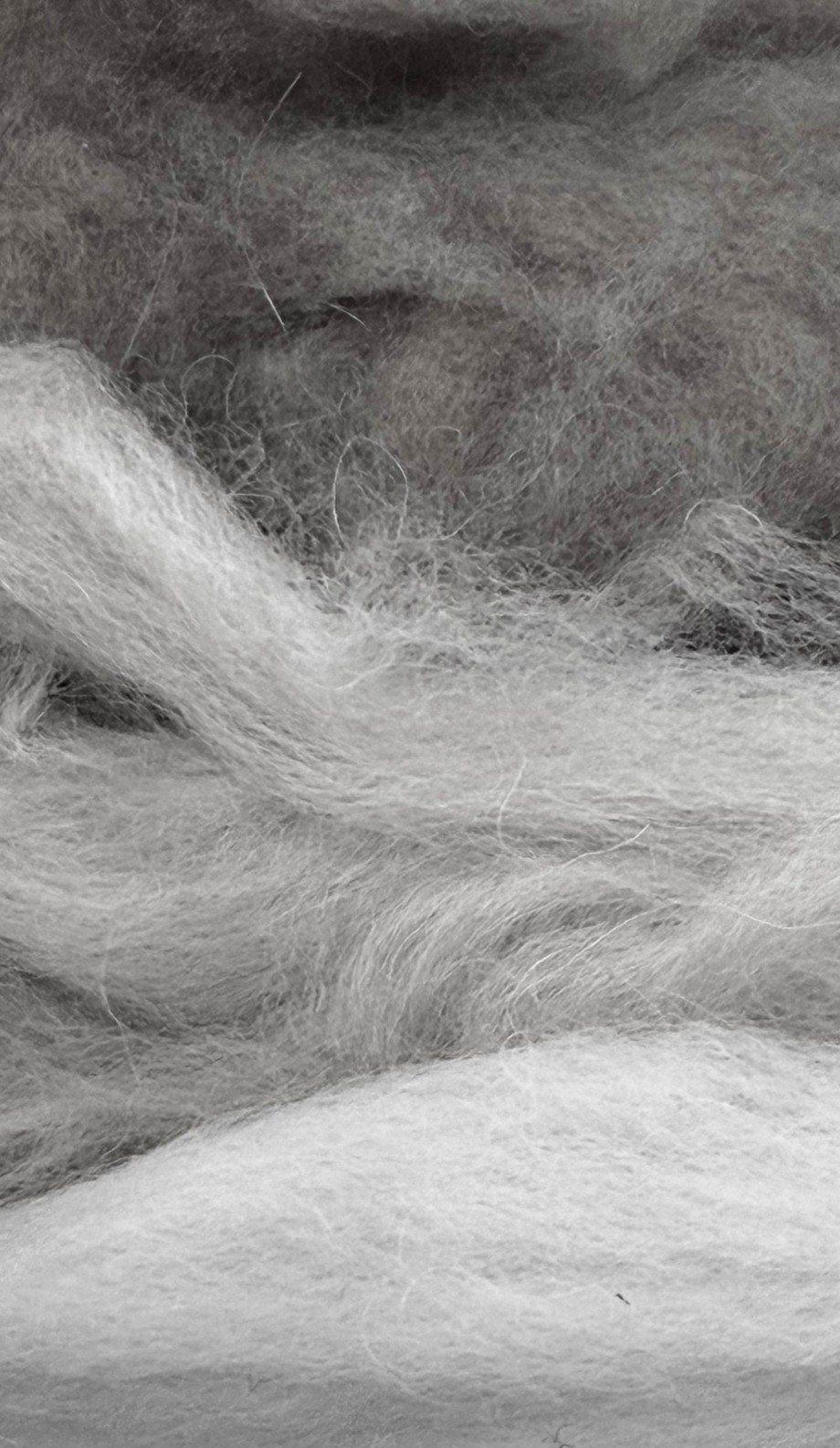
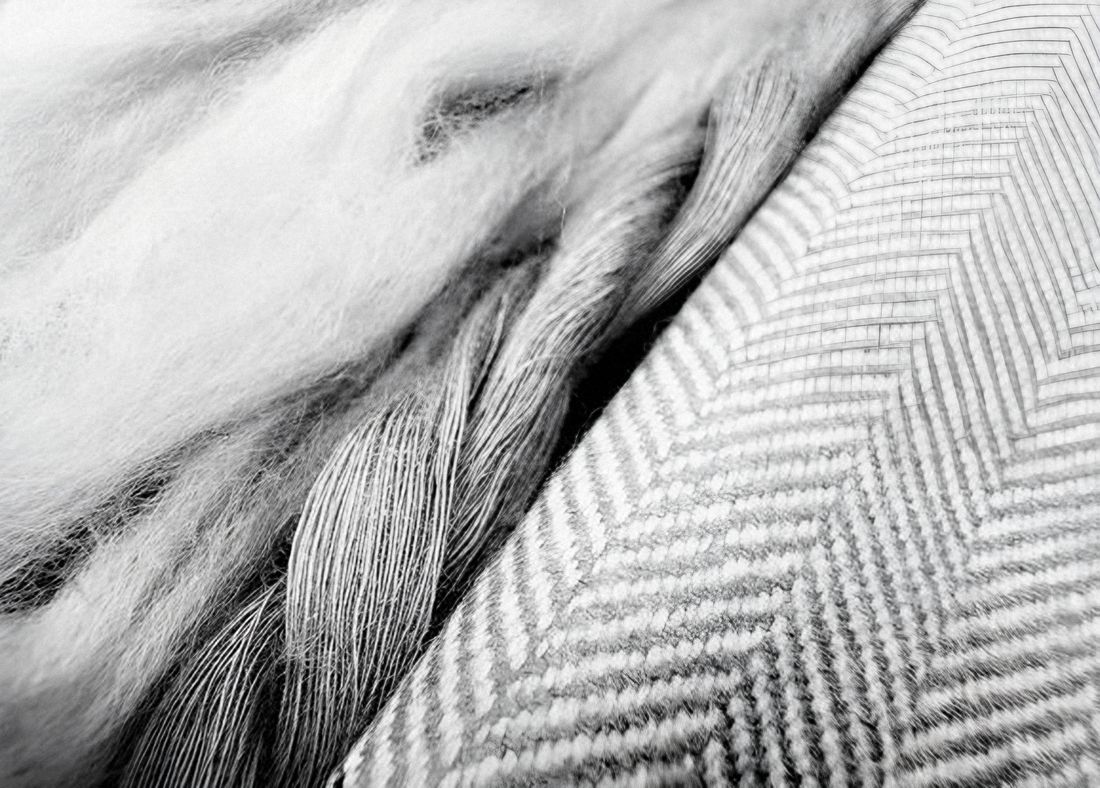
Soft combed wool fibres in close-up Vicuña in three stages: raw fibre, twisted yarn and finished herringbone cloth
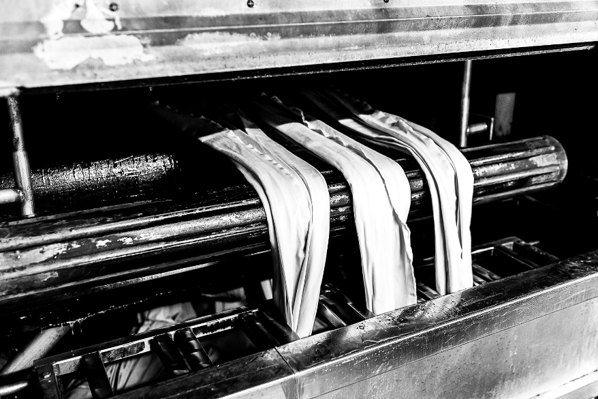
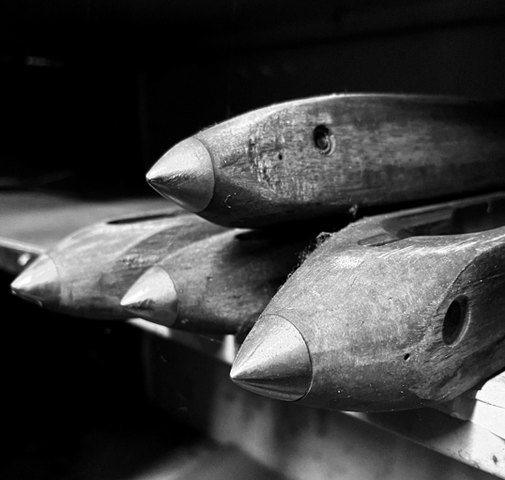
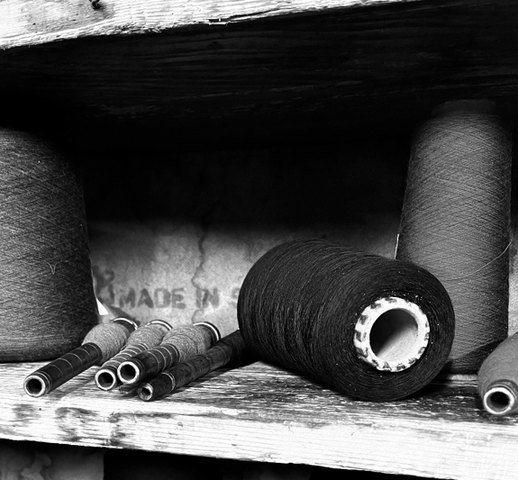
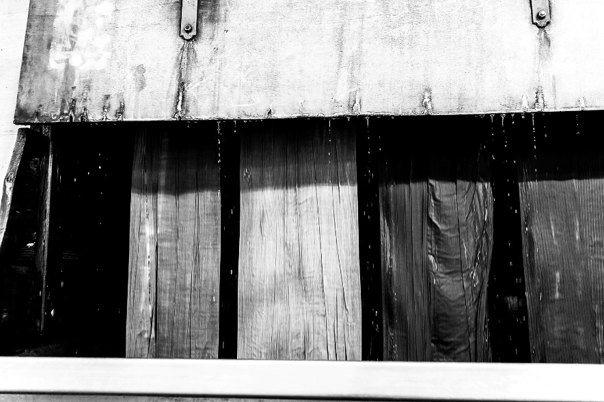
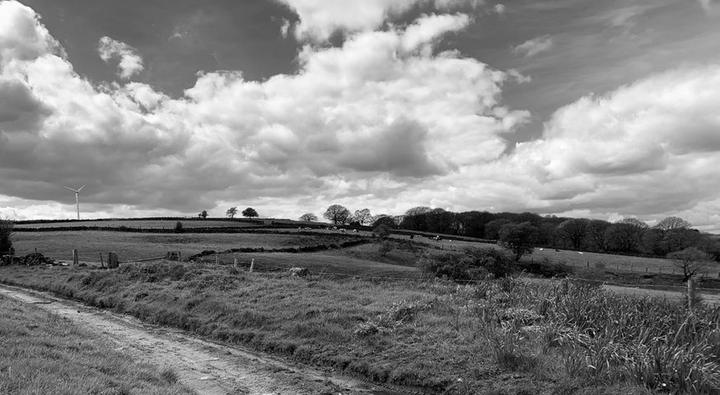
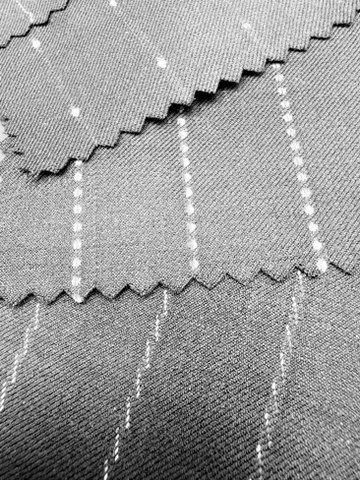
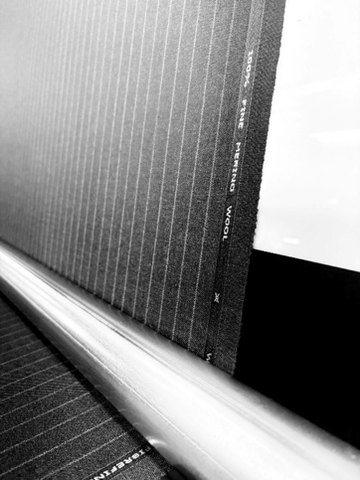
Lengths of cloth running over the rollers of a washing machine Old wooden loom shuttles with steel tips Cones and bobbins of yarn on a wooden shelf Rows of heald wires on the loom above the warp Water running off wooden boards beneath a metal trough A farm track through Pennine fields under a cloudy sky A hand guiding wet cloth through the finishing machine Pinked swatches of chalk-stripe cloth laid over one another Pinstripe cloth over a steel bar, its selvedge reading 100% Fine Merino Wool A lamp post above fields, with Castle Hill and the Victoria Tower beyond Pinstripe cloth coming off the loom beneath the reed and warp Dark cloth running through a finishing machine